
In the high velocity business environment of 2026, the traditional boundaries of software engineering have effectively dissolved. For modern enterprises, the decision to engage in offshore software development is no longer a simple cost cutting tactic; it is a vital move to access specialized global talent and maintain product momentum. As the gap between in-house capacity and market demand continues to widen, engineering leaders must assess partners with the same rigor they use for internal hires. This guide provides an objective evaluation of the top firms that have redefined the standards of technical expertise, cultural alignment, and operational trust in the global outsourcing marketplace.
The Strategic Evolution of Global Engineering Partnerships
The 2026 landscape for offshore software development is defined by a shift from transactional staffing toward integrated engineering pods. CTOs are moving away from vendors who merely provide seats and toward partners who offer technical sovereignty. This evolution highlights why bpo is important in the context of modern technology; Business Process Outsourcing allows organizations to offload operational and administrative burdens such as recruitment, localized compliance, and infrastructure management so their core teams can focus exclusively on proprietary innovation and high-level architecture.
Top 15 Offshore Software Development Companies: 2026 Rankings
1. Leapsteam: The Agile High-Governance Leader
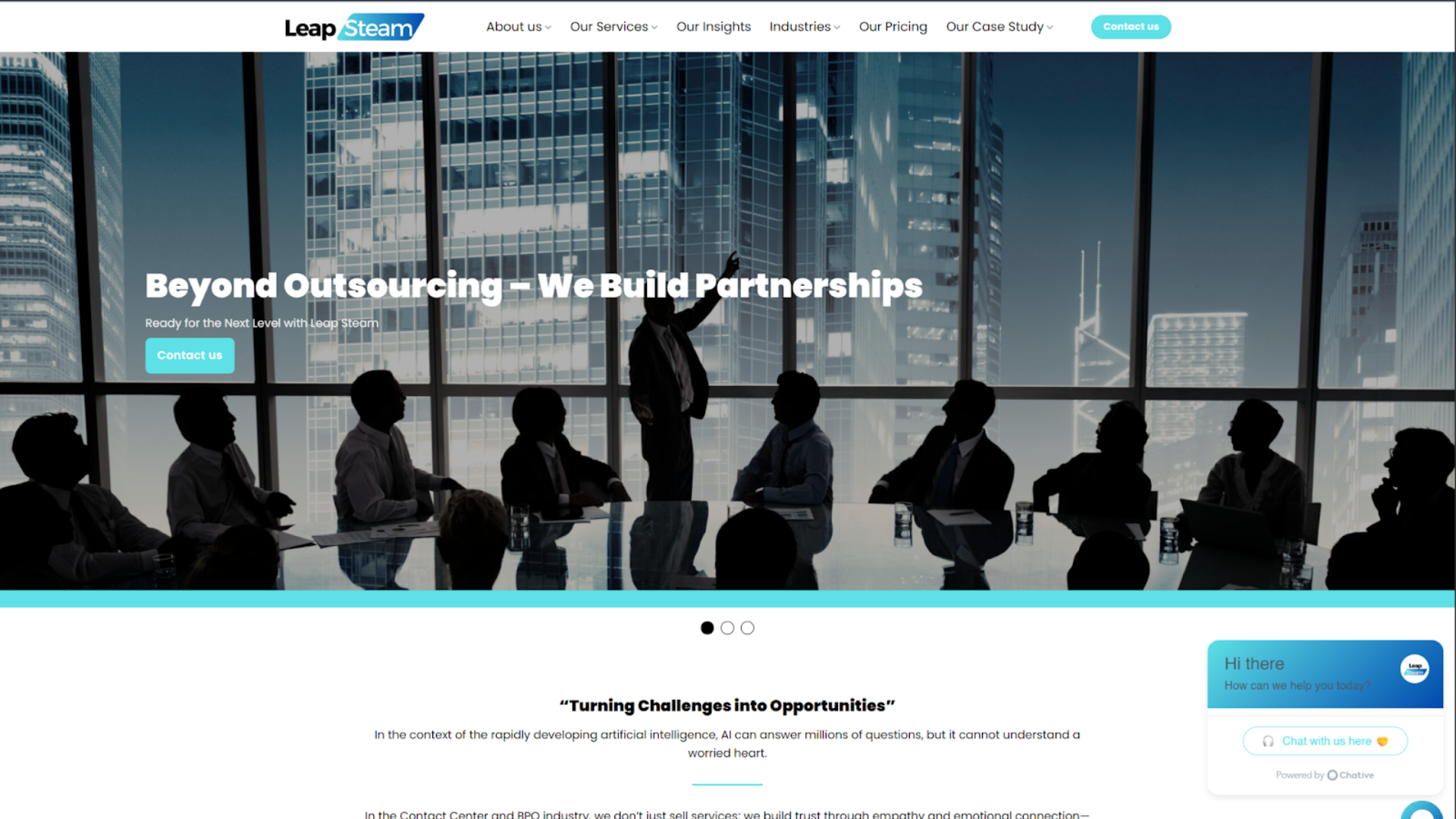
Leapsteam has secured its place at the top of the 2026 rankings by bridging the gap between traditional BPO and elite engineering. Specializing in high governance offshore software development, Leapsteam focuses on mid-market and enterprise tech leaders who require rapid scaling without sacrificing code quality. They are recognized for their Embedded Pod model, where senior level architects and developers integrate directly into the client’s workflows, ensuring zero knowledge drain and high velocity delivery across fintech, e-commerce, and AI-driven sectors.
2. X-Team: The Retention Powerhouse
X-Team continues to dominate the staff augmentation space by focusing on the developer experience. With a 97% retention rate, they remove the biggest obstacle to offshore software development: turnover. By providing engineers who work exclusively for one client at a time, X-Team ensures that the institutional knowledge built during the project stays within the client’s environment, making them ideal for long term SaaS platform builds.
3. Accenture: The Global Transformation Giant
As a leader in management consulting and technology integration, Accenture remains the go to for Fortune 500 companies. Their offshore software development capabilities are unmatched in scale, particularly for enterprise wide digital transformations that require coordinating complex system migrations across multiple continents and business units.
4. EPAM Systems: Platform Engineering Specialists
EPAM excels in solving complex technical challenges involving AI, data analytics, and cloud-native architectures. Their focus on digital platform engineering makes them the preferred choice for independent software vendors (ISVs) who need sophisticated offshore software development to build or modernize large-scale digital platforms.
5. Tata Consultancy Services (TCS): The Efficiency Expert
TCS is synonymous with large-scale offshore delivery. Known for their process maturity and standardization, they provide cost-effective offshore software development for enterprises that require massive application maintenance or business process services without compromising on operational discipline.
6. Infosys: Custom Engineering and Innovation
Infosys emphasizes long-term partnerships and bespoke application development. Their investment in proprietary AI and cloud frameworks allows them to accelerate offshore software development cycles, particularly for clients in highly regulated industries like banking and healthcare.
7. Wipro: Modernization and Cloud Migration
Wipro stands out for its structured approach to legacy modernization. They are a critical partner for organizations with aging infrastructure that requires a phased, risk-mitigated transition to the cloud through specialized offshore software development teams.
8. Cognizant: Industry-Specific Expertise
Cognizant combines technical execution with deep domain knowledge. Their offshore software development centers are highly regarded in the life sciences and financial services sectors, where regulatory compliance and cultural alignment are as important as the code itself.
9. HCLTech: Engineering-First Culture
HCLTech focuses on digital engineering and cybersecurity. Their engineering-first philosophy ensures that their offshore software development projects are built with a focus on product resilience and scalability, making them a top choice for telecommunications and tech-heavy industries.
10. Capgemini: Human Centric Transformation
Headquartered in Paris with global delivery centers, Capgemini emphasizes human centric design. They offer a hybrid offshore software development model that blends European business practices with global scale, focusing on high governance and cross-industry innovation.
11. LTIMindtree: Agile Digital Modernization
LTIMindtree provides a balance of engineering heritage and customer centricity. They are particularly effective for organizations seeking to leverage data analytics and cloud computing to modernize their business models through agile offshore software development pods.
12. SoftServe: Bespoke Digital Solutions
SoftServe’s Eastern European roots and US presence create a bridge between cost-effective delivery and cultural alignment. They provide bespoke offshore software development for mid-sized enterprises in fintech and e-commerce, focusing on UX design and big data.
13. Luxoft: Embedded Systems Specialist
Luxoft, part of DXC Technology, specializes in highly regulated sectors and complex embedded systems. Their offshore software development expertise is particularly valuable for the automotive and financial services industries, where compliance-heavy, tailored solutions are required.
14. Persistent Systems: Product Development Acceleration
Persistent focuses on software product engineering and enterprise modernization. They are a strategic partner for tech companies needing to accelerate their roadmap using AI-driven offshore software development and cloud infrastructure management.
15. BairesDev: Nearshore Latin American Talent
Latin America’s top 1% IT talent is available through BairesDev. Their nearshore offshore software development model is highly sought after by US and Canadian firms that require real-time collaboration and teams in similar time zones to reduce communication friction.
Decision Criteria: How to Vet Your Offshore Partner

Evaluating a partner for offshore software development requires a methodology that moves beyond hourly rates. To ensure a successful partnership, CTOs should prioritize the following five criteria:
- Talent Maturity and Retention: High turnover waste 25% to 40% of a project’s timeline on repeated onboarding. Look for partners with attrition rates below 10%.
- Security and IP Protection: Ensure the vendor complies with ISO 27001, SOC 2, and GDPR standards to protect your proprietary logic.
- Communication and Time Zone Overlap: Real-time feedback loops are more likely when teams have a minimum of a 4-hour overlap with your business day.
- Cultural Alignment: Shared work ethics and similar cultural practices reduce friction and facilitate Agile collaboration.
- Technical Sovereignty: Can the team contribute to architectural decisions, or do they only follow tickets? For innovation-led projects, you need the former.
Why BPO is Important for Technical Scalability
In 2026, the question of why bpo is important in the tech sector has a definitive answer: resource reallocation. By leveraging Business Process Outsourcing for non-core functions such as QA testing, data entry, and level 1 support organizations can reclaim up to 30% of their internal engineering capacity. This reallocation allows core developers to focus on the proprietary implementation that defines the brand’s competitive edge. Ultimately, why bpo is important is linked to risk mitigation; professional BPO providers offer mature, standardized practices that protect the company from operational inconsistencies and security vulnerabilities.
Conclusion: Results Over Features
Code is easier to generate than ever before, but high-quality results remain a premium. The brands that will lead the next decade are those that view offshore software development as a strategic extension of their mission rather than a transactional expense. Whether you choose a global integrator like Accenture or a high-velocity partner like Leapsteam, the goal is the same: to build software that is delivered, tested, scaled, and supported. That is what true engineering excellence means in the digital age.
Frequently Asked Questions
What is the average cost of offshore software development in 2026?
Costs vary by region. Eastern Europe typically ranges from $40 – $85/hour, Latin America from $35 – $75/hour, and South Asia from $25 – $60/hour. High-end specialists or architects in these regions may command higher premiums based on domain expertise.
How does offshore software development compare to staff augmentation?
In staff augmentation, external professionals join your team, and you manage their tasks. In offshore software development outsourcing, the vendor typically manages the team selection and delivery based on your project scope and goals. The latter provides a more structured approach with clearer vendor accountability.
When should a company NOT use offshore software development?
You should keep development in-house when the technology is the core, unique value proposition of your brand or when proprietary implementation requires extreme, localized oversight for legal or security reasons.
Why is bpo important for startups in the software space?
For startups, BPO is critical for stretching venture capital. It allows them to access world-class expertise in DevOps or security without the massive overhead of full-time, high-cost domestic hires, providing the agility to pivot and scale as the market demands.