
Generation Alpha is officially entering the consumer marketplace in 2026, and they are bringing entirely unprecedented behavioral expectations with them. Raised exclusively in a hyper-connected, 5G-powered world, this demographic does not tolerate friction. For Gen Alpha, speed is the ultimate currency of brand trust. If your digital storefront cannot provide instantaneous answers, they will abandon your platform in seconds. To meet these ruthless demands without burning out internal resources, forward-thinking brands strategically outsource livechat 24/7. By deploying ultra-low latency outsourced models, you ensure that every incoming inquiry is met with immediate, hyper-personalized support, securing the loyalty of tomorrow’s most powerful consumers.
1. Zero-Wait Expectations: The Psychology of Gen Alpha
To understand why traditional support models fail with Generation Alpha (born between 2010 and 2024), we must analyze their cognitive environment. This is a generation that has never known a world without algorithmic content delivery, ultra-fast fiber internet, and instant gratification.
The Death of the Acceptable Hold Time
For Millennials and Gen Z, an acceptable wait time for live chat support was historically benchmarked at 45 to 60 seconds. According to a landmark 2025 consumer behavior study published by Forrester Research, Generation Alpha’s tolerance threshold for a digital response is less than 15 seconds. If a chat widget displays a loading icon or a “You are number 4 in the queue” message, Gen Alpha perceives the brand as functionally broken. They do not wait; they bounce to a competitor.
This extreme demand for immediacy necessitates “ultra-low latency” customer service. Latency, in a CX (Customer Experience) context, is the time elapsed between a customer submitting a query and a human agent or AI successfully resolving it. To achieve ultra-low latency, brands must transition away from easily overwhelmed internal teams. When you outsource customer service to a premium Business Process Outsourcing (BPO) vendor, you access a massive, elastic workforce. These specialized vendors deploy advanced algorithmic routing to guarantee that incoming chats are answered in single-digit seconds.
The Role of Elite Outsourced Support Teams
Achieving zero-wait expectations is not merely about hiring more people; it requires a structural overhaul of how support is delivered. Premium outsourced support teams utilize a highly sophisticated “swarm” methodology.
In a traditional in-house setup, agents handle one or two chats simultaneously. If volume spikes, a backlog forms instantly. When you outsource livechat 24/7, the BPO utilizes dynamic workload distribution. Highly trained agents often assisted by Gen-AI co-pilots can seamlessly manage three to five concurrent chat sessions without a drop in quality. The AI instantly retrieves account data and drafts suggested responses, while the human agent curates the tone and hits send. This synergy between global outsourced talent and cutting-edge technology obliterates wait times, providing Gen Alpha with the instantaneous validation they crave.
2. Always-On Accessibility: Erasing Geographical Boundaries
Generation Alpha’s digital consumption habits are vastly different from previous generations. They are highly globalized, interacting with peers, games, and brands across international servers at all hours of the day and night. The concept of “standard business hours” (9 AM to 5 PM) is entirely meaningless to a demographic that shops, games, and socializes at 2:00 AM on a Sunday.
The Financial Impossibility of Internal 24/7 Support
Providing true, uninterrupted coverage using an internal, domestic team is financially ruinous for the vast majority of e-commerce and tech brands. Staffing overnight shifts (the “graveyard shift”), managing weekend coverage, and ensuring there are enough agents to handle unexpected holiday surges requires massive overhead. Domestic labor costs, overnight shift differentials, and the severe HR challenges of high turnover on night shifts make internal 24/7 support unsustainable.
This economic reality makes the decision to outsource livechat 24/7 a mandatory survival strategy.
The “Follow-the-Sun” Operational Strategy
Customer service outsourcing solves the accessibility crisis through the “follow-the-sun” operational model. Premium BPO providers maintain massive contact centers in strategic global hubs such as the Philippines, India, and Latin America.
When your domestic headquarters closes for the evening, your customer support operations do not shut down; they simply route to the other side of the planet. An offshore agent in Manila is working their standard 9-to-5 daytime shift while it is 2:00 AM in New York.
This model ensures that when a Gen Alpha consumer encounters a glitch in a digital product late at night, they are instantly connected to an alert, energetic, and highly trained professional. Always-on accessibility is no longer a premium perk; it is a fundamental requirement for brand survival. By deploying global outsourced support teams, your brand remains perpetually open for business, capturing revenue and driving loyalty 24 hours a day, 365 days a year.
3. Seamless Omnichannel Interaction: Meeting Them Where They Are
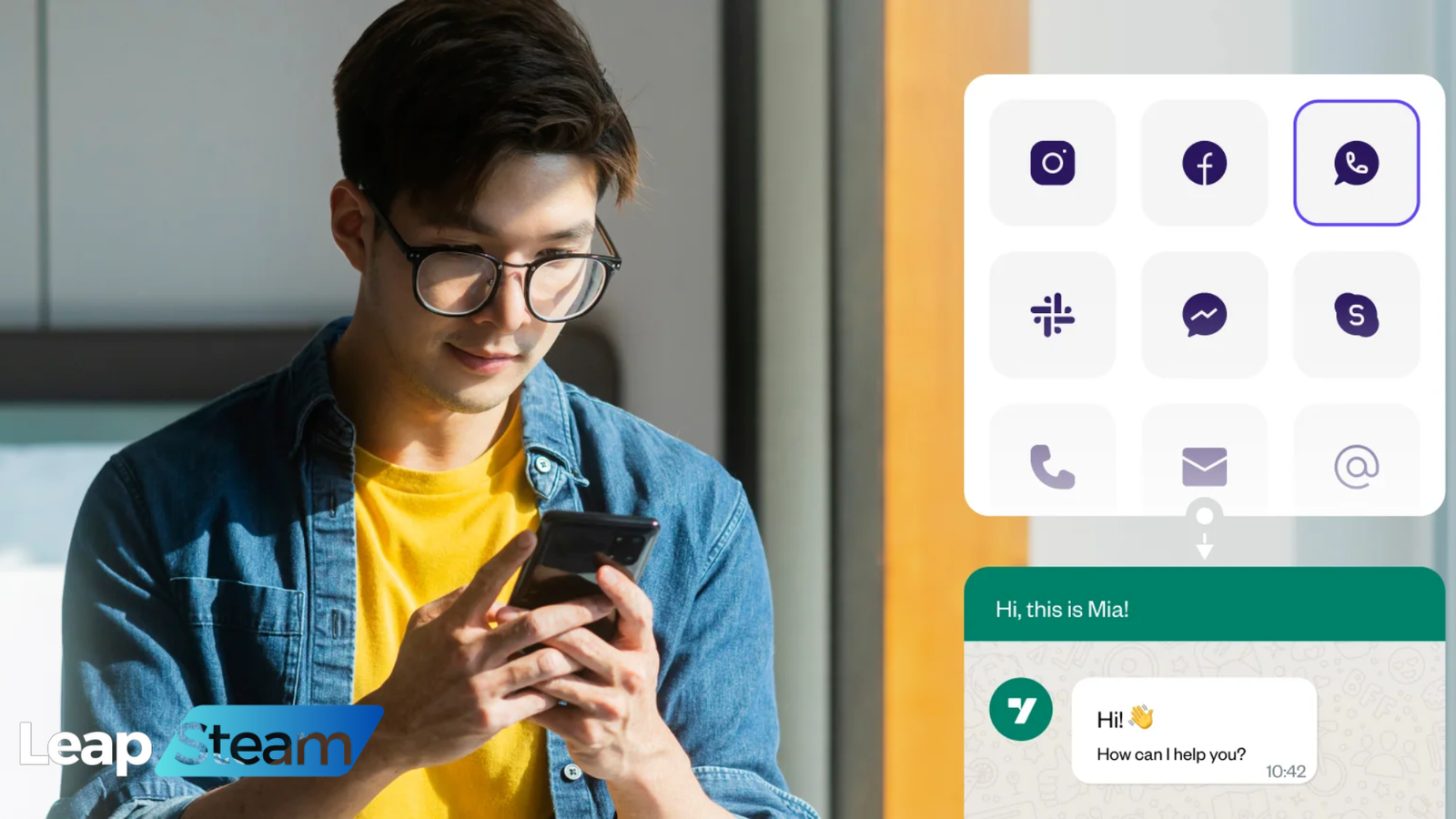
To win Gen Alpha, you must fundamentally redefine what a “livechat” actually is. For older generations, livechat meant a small pop-up bubble in the bottom right corner of a corporate website. For Gen Alpha, livechat is heavily decentralized.
The Decentralization of Digital Support
Gen Alpha expects to interact with brands inside the ecosystems where they already spend their time. According to a 2026 demographic analysis by Gartner, over 60% of Gen Alpha consumers prefer to initiate customer support inquiries via Discord, Roblox in-game portals, TikTok direct messages, and WhatsApp, rather than visiting a traditional company website.
If a consumer sends an urgent DM to your brand’s TikTok account and your team takes 24 hours to reply, the latency has destroyed the relationship. True ultra-low latency requires a seamless, unified omnichannel presence.
How Customer Service Outsourcing Unifies Channels
Managing five different communication platforms internally usually results in data silos and missed messages. When you strategically outsource customer service, your BPO partner integrates all of these disparate platforms into a single, unified CRM (Customer Relationship Management) dashboard.
| Support Channel | Gen Alpha Usage Context | How Outsourced Teams Manage It |
| Traditional Web Chat | E-commerce checkout friction, technical account issues. | Agents use AI-assisted typing to resolve complex billing issues in under 60 seconds. |
| Discord / Community | Gaming queries, software bug reporting, community management. | Dedicated community moderators provide casual, real-time engagement in public and private channels. |
| Social Media DMs (TikTok) | Influencer product inquiries, viral trend reactions. | Agents monitor viral spikes in real-time, instantly converting social interest into direct sales. |
| In-App Messaging | Troubleshooting within native mobile applications. | Deep API integrations allow outsourced agents to see device diagnostics while chatting with the user. |
A premium BPO ensures that whether a Gen Alpha user sends a message on Discord or on your main website, the inquiry is routed to the exact same highly trained agent in real-time. This omnichannel architecture guarantees that the user never has to repeat their issue, drastically reducing customer effort and solidifying brand trust.
4. Localization and Communication Language: Speaking Gen Alpha
Speed and availability are the structural pillars of ultra-low latency support, but the content of the communication is what ultimately determines customer satisfaction. Generation Alpha possesses a highly unique cultural lexicon. Their communication is visually driven, heavily reliant on evolving internet slang, memes, GIFs, and emojis.
The Danger of Robotic Corporate Communication
If a 14-year-old Gen Alpha consumer reaches out via livechat to express immense excitement about a product drop, and the agent replies with a rigid, overly formal corporate macro (“Thank you for your inquiry. We appreciate your interest in our upcoming product line“), the interaction feels incredibly disjointed. To Gen Alpha, robotic formality equates to a lack of authenticity. If they feel like they are talking to a corporate drone, they will disengage.
Upskilling Outsourced Support Teams for Cultural Resonance
Historically, one of the hesitations surrounding customer service outsourcing was the fear of a cultural disconnect between offshore agents and domestic consumers. In 2026, premium BPOs have completely eradicated this issue through rigorous, hyper-specific cultural immersion training.
When you outsource livechat 24/7, elite providers do not just teach their agents how to process refunds; they train them on the sociolinguistics of your target demographic.
- Visual Communication: Agents are empowered to use branded GIFs and appropriate emojis to convey tone and empathy rapidly.
- Slang and Lexicon: BPOs employ cultural analysts who constantly update agent knowledge bases with the latest Gen Alpha slang and internet trends, ensuring that the agents speak to the users as peers rather than corporate authorities.
- Factual Empathy: Gen Alpha values transparency above all else. Instead of using flowery apologies (“I am so incredibly sorry for this devastating inconvenience“), outsourced agents are trained to use factual empathy (“I see the bug you’re talking about. That’s super frustrating. I’ve sent it to the dev team, and here is a workaround you can use right now.“).
This culturally fluent, highly responsive communication style is the ultimate differentiator. By leveraging outsourced support teams that are expertly trained in the language of Gen Alpha, brands create authentic, deeply resonant connections that drive long-term lifetime value (LTV).
Conclusion
Capturing the loyalty of Generation Alpha is not a matter of simply updating your marketing strategy; it requires a fundamental overhaul of your operational infrastructure. This hyper-connected demographic operates in a world where speed, accessibility, and omnichannel fluency are absolute minimum requirements. Attempting to meet these zero-wait expectations with a rigid, localized internal team will inevitably lead to high latency and massive customer churn. By making the strategic executive decision to outsource livechat 24/7, brands instantly unlock a global, elastic, and culturally fluent workforce. Premium customer service outsourcing is the ultimate catalyst for delivering the ultra-low latency, authentic support experiences that Gen Alpha demands, ensuring your brand dominates the market for decades to come.
Frequently Asked Questions (FAQ)
- What exactly does ultra-low latency mean in the context of customer service?
Ultra-low latency refers to minimizing the delay between a customer asking a question and a live agent providing a meaningful answer. In 2026, for demographics like Gen Alpha, ultra-low latency means responding to a live chat inquiry in less than 15 seconds, and fully resolving the issue in a fraction of the time it took legacy contact centers.
- Why is it financially better to outsource livechat 24/7 rather than build an internal team?
Building an internal 24/7 team requires hiring staff for overnight shifts, paying severe shift differentials, dealing with high domestic turnover, and investing in massive software licenses. When you outsource customer service, you transition these rigid fixed costs into flexible variable costs. You tap into global talent pools (like the Philippines or Latin America) where the cost of living allows for premium talent acquisition at 50% to 70% of the cost of domestic labor.
- Will Gen Alpha consumers know they are talking to an outsourced offshore agent?
Not if you partner with a premium BPO. Modern outsourced support teams undergo intense “brand immersion” and cultural alignment training. They use advanced CRM tools that provide them with your brand’s specific tone of voice, approved emojis, and cultural lexicon. To the Gen Alpha consumer, the agent feels like a knowledgeable, authentic representative sitting inside your company’s headquarters.
- How do outsourced teams handle sudden, massive spikes in chat volume?
Agile scalability is the primary advantage of customer service outsourcing. BPOs utilize a “shared resource” or “elastic” staffing model. If your brand goes viral on TikTok and chat volume spikes by 400%, a premium BPO can instantly pull cross-trained agents from a backup bench to handle the surge, ensuring latency remains ultra-low. An internal team would simply buckle under that pressure.