
Developer burnout is not a personal failing, it is a structural failure in how companies route operational tasks. When engineers spend their days answering basic user queries, decoding vague bug reports, and covering overnight support rotations, they are not writing code. The result is chronic stress, declining output, and eventual attrition that costs US tech companies an average of $150,000–$200,000 per senior engineer replacement. The most direct operational fix is to outsource customer support to a specialized BPO partner — establishing a structural firewall between users and the engineering team that restores developer focus and protects product velocity.
1. Intercepting Tier 1 and Tier 2 Inquiries
In an unstructured tech startup, every customer email lands in a shared inbox that developers monitor alongside their development work. Engineers end up handling password resets, billing disputes, and basic account configuration tasks that offer no technical value and consume time that should be directed at the product roadmap.
When companies outsource customer support to a specialized BPO partner, a trained front-line team handles 100% of Tier 1 routine inquiries independently. Beyond that, capable outsourced teams resolve Tier 2 technical troubleshooting API key misconfigurations, user-side integration errors, environment-specific issues without involving the engineering team at all. Only genuine Tier 3 code-level problems, fully documented and pre-triaged, reach developers. According to the Help Desk Institute’s 2024 Support Benchmark Report, organizations with a dedicated Tier 1/2 outsourced filter reduce engineering escalation rates by an average of 47% within the first six months of engagement.
2. Eliminating the Context-Switching Penalty
Software development requires sustained deep focus. Research from the University of California, Irvine established that recovering full cognitive concentration after an interruption takes an average of 23 minutes. For an engineer handling five support tickets per day a modest volume for any product with real users that represents over two hours of productive development time lost daily to context-switching alone.
At scale, this is not a minor inconvenience. It is a structural productivity drain that compounds across the entire engineering team. Routing all inbound support to a dedicated outsourced team eliminates this penalty entirely. Developers mute ticketing notifications, protect their sprint focus, and engage with support only when a genuinely escalated, pre-documented issue requires their specific expertise. The BPO partner owns First Contact Resolution metrics and SLA compliance the engineering team owns the product.
3. Standardizing Bug Reports Before Engineering Escalation
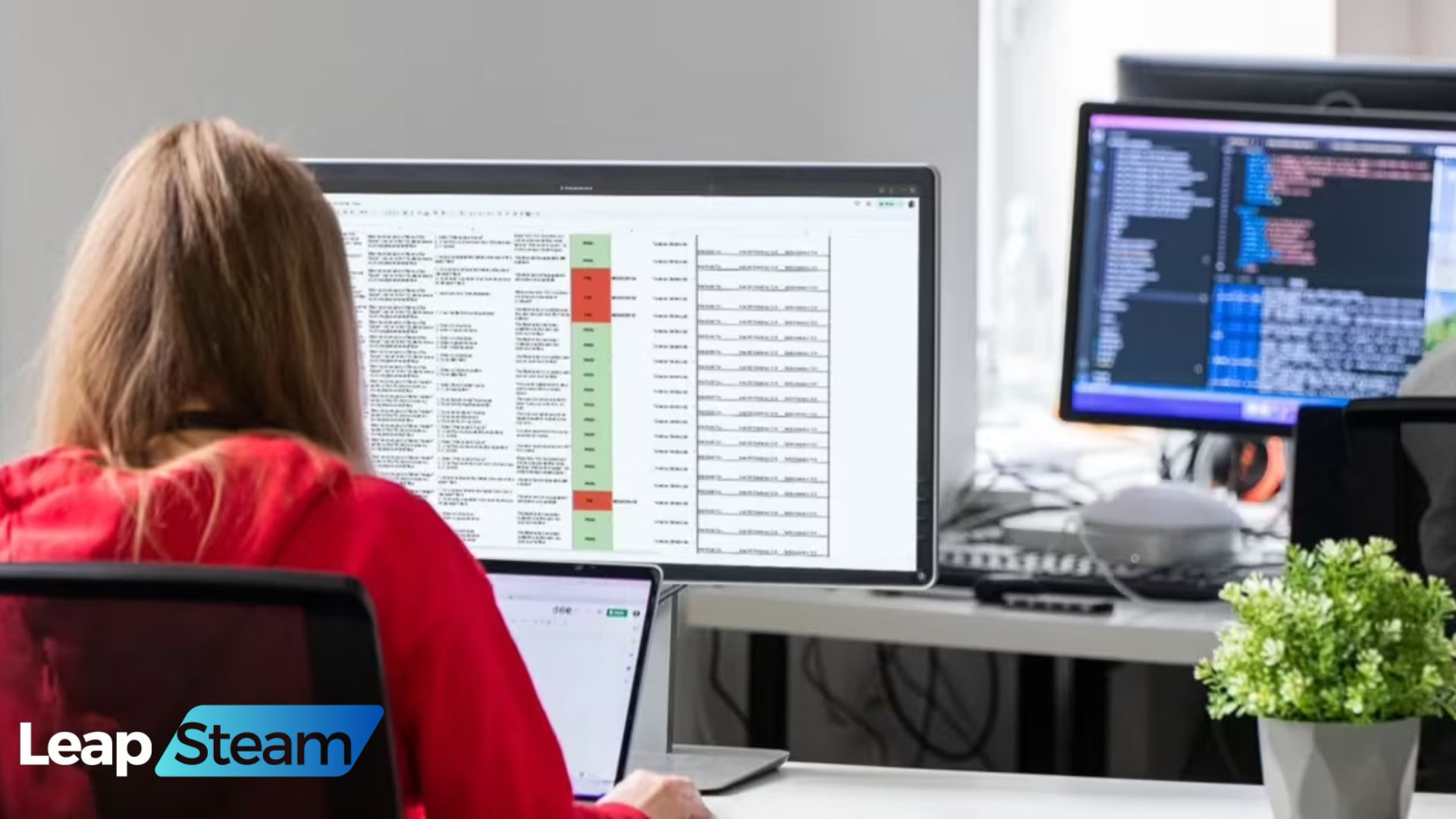
There is a significant difference between a user complaint and an actionable bug report. A typical unfiltered ticket reads: “The dashboard is broken.” If this reaches a developer directly, they must spend time acting as investigator emailing the user back and forth to determine browser version, error code, reproduction steps, and environment configuration before they can begin diagnosing the actual issue.
A professional outsourced support team handles this triage phase as a defined process. Before any issue is escalated to engineering, agents are required to: reproduce the error in a staging environment where possible, capture console logs and error codes, document the user’s environment (browser, OS, API version), and format the ticket to your internal engineering standards in Jira or your equivalent system.
When the developer receives the ticket, it is a clean, documented task ready for debugging, not a vague complaint requiring investigation. This standardization reduces the frustration associated with support escalations and is one of the most immediate quality-of-life improvements engineers report after a company decides to outsource customer support.
4. Providing 24/7 Coverage to Prevent On-Call Fatigue
SaaS products operate globally. Critical issues surface at 2 AM EST as reliably as they do at 2 PM. Relying on an internal US-based engineering team to cover overnight and weekend rotations is a direct and well-documented driver of burnout. According to Gallup’s 2024 State of the Global Workplace report, employees required to handle on-call responsibilities outside standard hours report burnout rates 2.6 times higher than those with defined working hours and the effect is most acute among high-skill technical workers.
Outsourcing customer support to teams in Southeast Asia or Eastern Europe implements a natural Follow-the-Sun model. Overnight US volume is handled during standard business hours in the partner’s time zone, at standard rates, without requiring domestic engineers to sacrifice sleep or weekend recovery. This arrangement is particularly effective when coordinated with offshore software development teams operating in compatible time zones support and development hubs can share ticketing systems and handle technical triage collaboratively without any involvement from the US engineering team during off-hours.
5. Absorbing Customer Frustration During Outages
A P1 outage is the highest-stress event in a SaaS company’s operational calendar. Engineers need total concentration to identify the root cause and deploy a fix. An outage simultaneously triggers a spike in inbound support tickets users reporting the same issue hundreds of times, enterprise clients demanding status updates, and frustrated users escalating through every available channel.
If developers must read through this volume while diagnosing the technical problem, their cognitive load compounds at exactly the moment when clear thinking matters most. The outsourced support team absorbs this emotional labor entirely. Armed with pre-approved crisis communication playbooks developed during onboarding, agents provide regular status updates to affected users, issue service credits where applicable, and de-escalate user frustration through consistent, professional communication while the engineering team operates in a quiet, isolated environment focused exclusively on resolution.
This separation of communication management from technical resolution is one of the clearest demonstrations of why outsourcing customer support pays for itself during high-severity incidents alone.
6. Proactive Knowledge Base Maintenance
Developers rarely have time to write user-facing documentation. When features change or new integrations ship, the help center falls out of date and outdated documentation generates support tickets that route back to the engineering team, creating a compounding feedback loop where developers are penalized with more support work because they did not have time to write documentation in the first place.
A high-performance outsourced support team takes ownership of the self-service portal as a core function. Because agents handle inbound tickets daily, they identify documentation gaps immediately. When 30 users submit similar questions about a new dashboard feature within two weeks, the outsourced team drafts, formats, and publishes a new help article proactively deflecting the next wave of identical tickets before it forms.
According to Zendesk’s 2025 Customer Experience Trends report, companies with actively maintained self-service knowledge bases experience 20–40% lower inbound ticket volume compared to those with static documentation. For engineering teams, this reduction in ticket volume translates directly into fewer interruptions and a more sustainable operational pace.
Conclusion
Developer burnout driven by support overload is a structural problem with a structural solution. Expecting specialized software engineers to simultaneously maintain development velocity and serve as a front-line help desk is an inefficient use of capital that reliably produces attrition and attrition at the senior engineer level is one of the most expensive operational failures a tech company can sustain.
Outsourcing customer support establishes the operational separation that restores engineering focus: Tier 1/2 tickets intercepted, bug reports standardized before escalation, overnight coverage handled without on-call rotation, outage communication managed externally, and documentation maintained proactively. Each of these mechanisms removes a specific category of interruption from the engineering team’s daily experience and together, they create the protected environment that sustained product development actually requires.
Frequently Asked Questions
How do we prevent outsourced agents from over-escalating to our engineers?
Define strict escalation criteria during onboarding a specific checklist of diagnostic steps that must be completed before any ticket is tagged for engineering review. Track Escalation Rate to Engineering as a core weekly KPI. A well-structured outsource customer support arrangement should see this rate decline steadily over the first 90 days as agents build product familiarity and confidence in independent resolution.
Does outsourcing customer support save money compared to internal staffing?
Yes, on both direct and indirect cost. The fully loaded annual cost of a US-based technical support specialist salary, benefits, management overhead, and tooling typically runs $85,000 – $120,000. Equivalent coverage from a specialist offshore partner runs $30,000 – $55,000 annually per agent, with managed quality infrastructure included. The indirect saving reduced engineer turnover driven by support-related burnout is harder to quantify but consistently exceeds the direct cost differential for companies that have experienced senior engineer attrition.
How long does it take to train an outsourced team on a technical SaaS product?
For standard B2B SaaS platforms, a structured onboarding period of four to six weeks is typical: product training, shadow sessions observing your internal team, knowledge base review, and competency assessment before agents handle live tickets independently. Compressing this phase to reduce time-to-launch consistently produces higher early escalation rates and lower FCR; the front-loaded investment in onboarding determines the quality of the engagement for months afterward.
Can an outsourced support team coordinate directly with our offshore software development team?
Yes and this coordination is one of the most operationally efficient arrangements available to US tech companies with distributed teams. When the outsourced support partner and the offshore development team operate in compatible time zones, they can share a ticketing system, collaborate on bug reproduction in real time, and resolve a significant portion of technical issues without any involvement from the US team during off-hours. Establishing shared Jira workflows and direct Slack channels between the two teams during onboarding is the standard setup for this model.
Leap Steam provides outsource customer support for US tech companies across fintech, e-commerce, SaaS, gaming, and automotive technology. Our dedicated Tier 1/2 support teams are structured to protect engineering bandwidth with standardized escalation protocols, crisis communication playbooks, and knowledge base management built into every engagement.